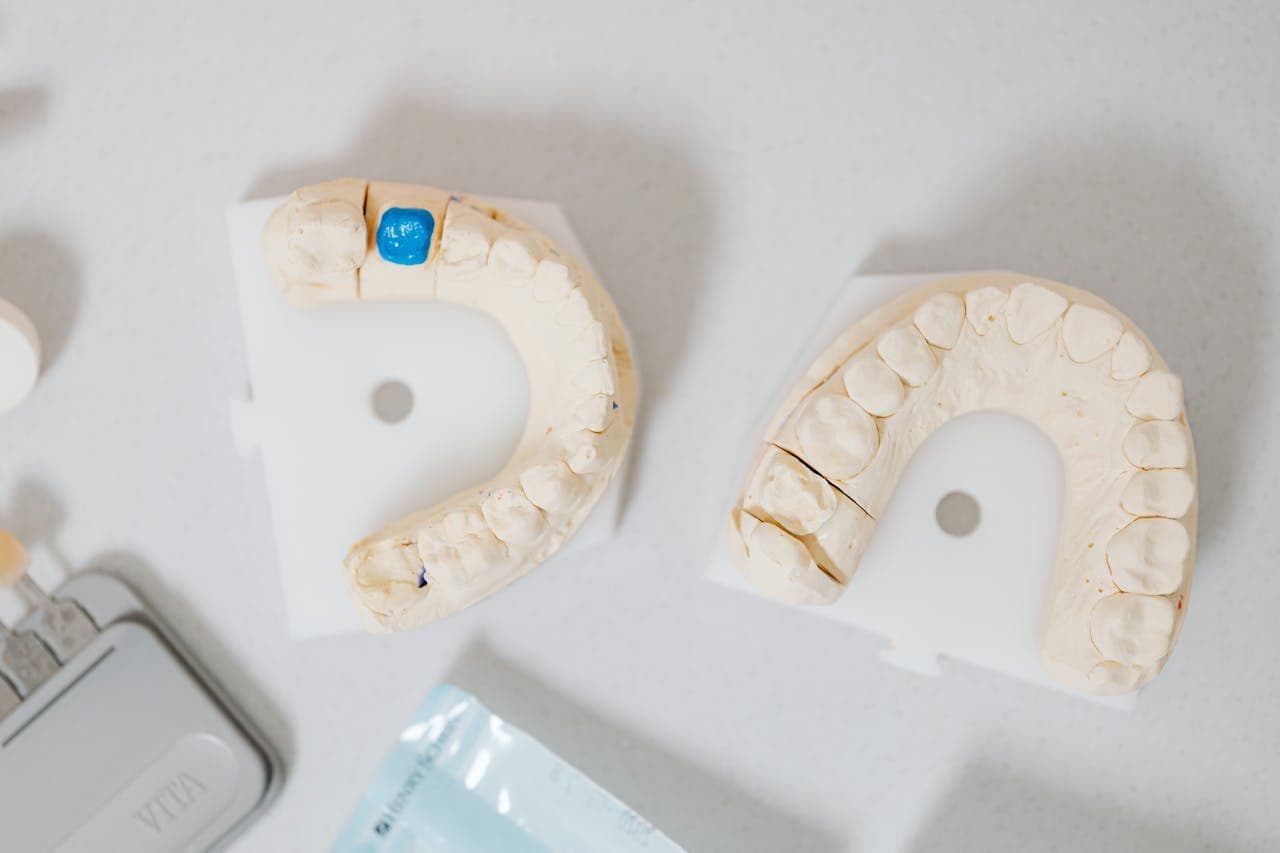
A crown is often used to protect a damaged tooth, a bridge can replace one or more missing teeth by using neighboring support, and an implant restoration can restore a dental implant after placement. The best option depends on tooth structure, bone support, bite, health history, budget, and long-term goals.
If you are comparing dental crowns Florence KY, dental bridges, dentures, or dental implants Florence KY, it usually means something has changed: a tooth broke, chewing feels harder, an old restoration failed, or a missing tooth is affecting your confidence.
Restorative dentistry should make the next step clearer, not more confusing. At Smith & Elliott Dental Associates in Florence, KY, Dr. Elliott helps patients understand what is urgent, what is optional, and which options fit their bite, timeline, comfort, and budget.
Not sure whether you need a crown, bridge, or implant restoration?
Start with a restorative consultation so Dr. Elliott can evaluate the tooth, bite, surrounding teeth, and your goals.
When a dental crown may be recommended
A crown covers and protects a tooth that needs more support than a filling can provide. Crowns may be discussed for cracked teeth, heavily filled teeth, worn teeth, teeth after root canal treatment by a specialist, or teeth with damage that affects strength and function.
A good crown is not only about covering the tooth. It should fit your bite, protect remaining tooth structure, blend with nearby teeth when visible, and allow you to clean around it. If the gum tissue, root, or surrounding bone needs attention, that should be part of the conversation before treatment begins.
When a dental bridge may be recommended
A bridge is one option for replacing one or more missing teeth. It typically uses neighboring teeth or restorations for support. A bridge may be discussed when nearby teeth already need crowns, when an implant is not the preferred option, or when a patient wants a fixed replacement that does not come in and out like a removable partial.
Dental bridges Florence KY patients consider should be planned around cleaning access, bite forces, gum health, and the long-term condition of the supporting teeth. The bridge should restore chewing and appearance, but it also needs a realistic maintenance plan.
When implant restoration may be discussed
A dental implant is placed in the jawbone by a trained surgical provider, then restored with an abutment and crown after healing. Dr. Elliott can help with implant restoration planning and long-term function. Some patients come in before implant placement to discuss options; others already have an implant and need the visible tooth restored.
Implants are not right for every patient or every site. Bone support, health history, gum health, smoking, medications, bite forces, and budget can affect planning. That is why implant restoration Florence KY conversations should include the full picture instead of only comparing prices.
Dentures and partials are still useful options
Dentures and partials can be practical options when multiple teeth are missing or when a fixed option is not the right fit. They can restore appearance and chewing support, although adaptation and maintenance are different than with crowns, bridges, or implant restorations.
A partial denture may replace several missing teeth while using remaining teeth for support. A full denture replaces an entire arch of teeth. Some patients eventually combine dentures with implant support, but the right sequence depends on anatomy, health, and goals.
How dentists choose between restorative options
A restorative dentist Florence KY patients trust should evaluate more than the missing or damaged tooth. Important questions include: How strong is the remaining tooth? Are neighboring teeth healthy? How does the bite come together? Is there gum disease? How visible is the area? What does the patient want to accomplish?
The best treatment is not always the most complex treatment. Sometimes a filling is enough. Sometimes a crown is more protective. Sometimes a bridge is practical. Sometimes implant restoration makes sense. The goal is to restore comfort, function, and confidence with a plan you understand.
Cost, timeline, and insurance considerations
Restorative dentistry costs vary because materials, number of teeth, lab work, surgical needs, insurance benefits, and complexity vary. A single crown is different from a multi-tooth bridge, denture, partial, or implant restoration. Insurance may help with some services, but coverage depends on the plan.
Before treatment, the Smith & Elliott team can review estimates, discuss dental insurance, and explain payment options such as CareCredit when appropriate. That planning matters for patients from Florence, Erlanger, Burlington, Union, Boone County, and Greater Cincinnati who want clear choices before moving forward.
When to call for restorative dental care
Call if a tooth breaks, a crown feels loose, chewing hurts, a denture no longer fits, or a missing tooth is changing how you eat or smile.
- Broken, cracked, or worn tooth
- Missing tooth or changing bite
- Loose crown, bridge, denture, or filling
- Pain when chewing
- Questions about dental implants or dentures